
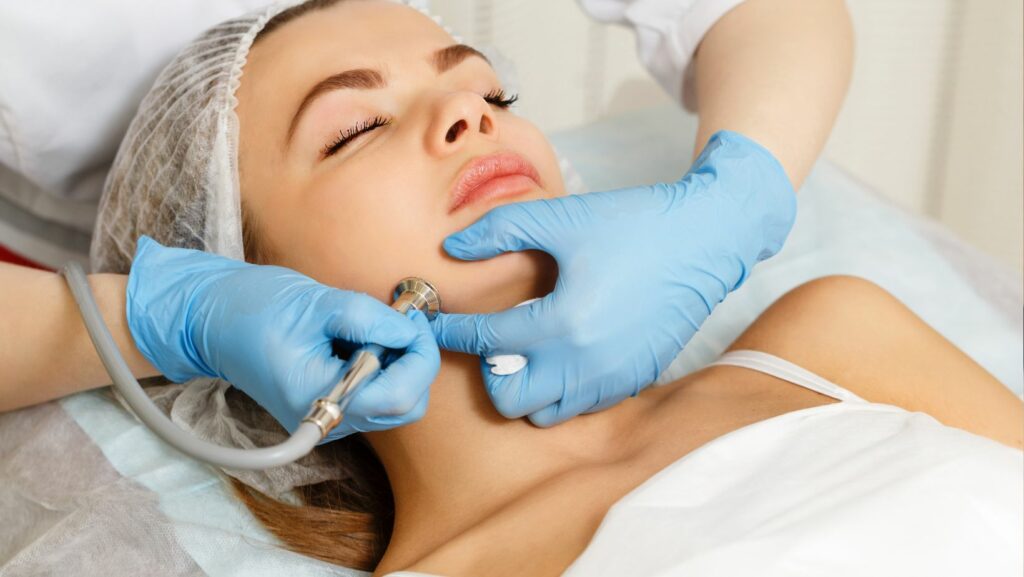
Uneven skin tone, dark patches, and discoloration can subtly alter how we feel about our skin. For many, pigmentation becomes a persistent concern that seems resistant to creams and over-the-counter products. Whether caused by sun exposure, hormonal changes, or acne scarring, pigmentation is one of the most common aesthetic conditions treated in modern skincare.
Thanks to innovations in dermatology, aesthetic clinics now offer advanced pigmentation therapies that can safely and effectively restore balance and radiance to the skin. These treatments not only address surface-level discoloration but also target the deeper layers where pigmentation originates, delivering long-term clarity and confidence.
Understanding What Causes Pigmentation
Pigmentation occurs when the skin produces excess melanin, the pigment that determines skin color. This overproduction can happen in localized spots or across larger areas, depending on the trigger. When left untreated, pigmentation can deepen over time, making it more noticeable and harder to manage. Many people turn to professional pigmentation treatments Singapore clinics offer to effectively address these issues. These treatments target the root cause of discoloration, helping to lighten dark spots, even out skin tone, and restore a clearer, more radiant complexion.
Common causes include:
- Sun exposure: Ultraviolet (UV) rays stimulate melanin production as a natural defense mechanism.
- Hormonal changes: Conditions like pregnancy or the use of hormonal contraceptives can trigger melasma.
- Inflammation: Acne or eczema can lead to post-inflammatory hyperpigmentation, where dark spots remain after healing.
- Genetic factors: Some people are naturally more prone to pigmentation due to skin type and genetic background.
Early treatment can prevent pigmentation from worsening and improve skin texture and tone significantly.
Professional Solutions for Clearer, Brighter Skin
While home remedies and topical creams can offer mild improvement, professional pigmentation treatments clinics provide are designed to deliver deeper, more effective results. These treatments are customized to your skin type and condition, ensuring safe and targeted therapy.
Laser Therapy
Laser treatment remains one of the most effective ways to treat pigmentation. It works by delivering focused light energy to break down excess melanin beneath the skin’s surface. Over time, these pigment particles are naturally removed by the body’s immune system, revealing a clearer, more even complexion.
There are several laser types used to address pigmentation:
- Q-Switched Laser: Targets deep pigmentation such as freckles and sunspots with minimal downtime.
- Pico Laser: Emits ultra-short pulses to shatter pigment particles while stimulating collagen for brighter, firmer skin.
- Fractional Laser: Improves both texture and tone, making it suitable for those with pigmentation and acne scars.
Laser therapy is ideal for those looking for long-lasting improvement with minimal disruption to their routine.
Chemical Peels
Chemical peels exfoliate the uppermost layers of the skin, removing dull, damaged cells and encouraging the growth of new, healthy skin. Depending on the type and strength of the peel, it can address superficial or deep pigmentation effectively.
Common ingredients used include glycolic acid, salicylic acid, and trichloroacetic acid. Regular sessions help fade discoloration, even out tone, and enhance overall radiance.
Intense Pulsed Light (IPL) Therapy
IPL uses multiple wavelengths of light to target pigmentation, redness, and sun damage simultaneously. Unlike lasers that focus on one wavelength, IPL covers a broader spectrum, making it suitable for generalized pigmentation and photodamage.
This treatment gently heats the skin to break down pigment clusters while stimulating collagen production, leaving skin smoother and more luminous.
Microneedling with Serums
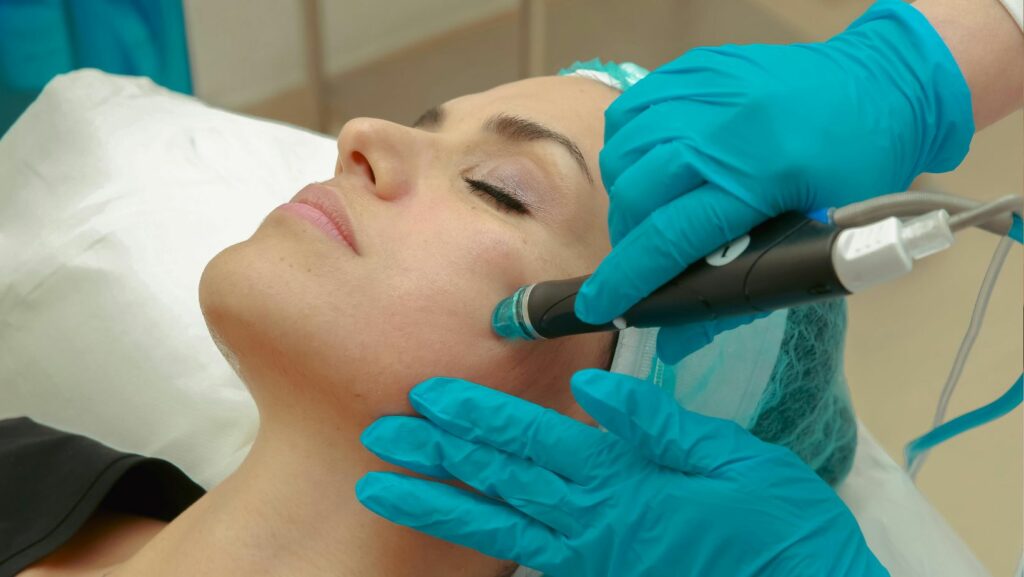
Microneedling involves using fine needles to create controlled micro-injuries in the skin. These tiny punctures stimulate the body’s natural healing process, encouraging collagen and elastin production. When combined with brightening serums or platelet-rich plasma (PRP), microneedling helps reduce pigmentation and rejuvenate the skin.
It is suitable for all skin types and offers gradual, natural-looking improvement with minimal downtime.
Topical Medical Treatments
Dermatologists often prescribe medical-grade creams and serums containing active ingredients such as hydroquinone, kojic acid, vitamin C, or niacinamide. These ingredients help lighten dark spots, regulate melanin production, and improve skin brightness.
Used consistently alongside professional treatments, topical therapies can maintain results and prevent new pigmentation from forming.
Combining Treatments for Optimal Results
The most successful pigmentation treatment plans often combine multiple therapies. For example, laser sessions may be paired with chemical peels or microneedling to target pigmentation at different depths. This comprehensive approach ensures that both surface discoloration and underlying causes are addressed.
Dermatologists and aesthetic specialists assess each patient’s skin type, pigmentation severity, and lifestyle to create a tailored plan that minimizes risks and maximizes visible results.
Long-Term Skin Maintenance and Prevention
Even after successful treatment, maintaining an even skin tone requires ongoing care. Pigmentation can return if preventive steps are not taken, especially due to sun exposure or hormonal triggers.
Sun Protection
Daily sunscreen use is essential in preventing pigmentation recurrence. A broad-spectrum sunscreen with at least SPF 30 should be applied every morning and reapplied throughout the day, particularly when outdoors.
Gentle Skincare Routine
Avoid harsh exfoliants or strong acids that can irritate the skin. Choose gentle, hydrating products that support the skin barrier. Over-exfoliation can lead to inflammation, increasing the risk of post-inflammatory hyperpigmentation.
Healthy Lifestyle
A diet rich in antioxidants, such as vitamins C and E, helps protect the skin from oxidative stress caused by UV exposure and pollution. Staying hydrated and managing stress also support skin repair and balance.
Regular Maintenance Treatments
Periodic touch-up sessions of laser therapy, light peels, or topical treatments help maintain clarity and prevent new pigmentation from forming. Aesthetic specialists typically recommend maintenance every few months based on individual progress.
The Confidence of Clear, Radiant Skin
Pigmentation can be stubborn, but with the right professional care, significant improvement is possible. Advanced aesthetic treatments not only restore even skin tone but also improve overall texture and luminosity. Many patients report not just clearer skin, but also a noticeable boost in confidence and self-esteem.
With today’s technology, pigmentation is no longer a lifelong concern. Early consultation with an experienced dermatologist or aesthetic specialist can help design a treatment plan that suits your goals and skin type. The combination of medical precision and personalized care ensures long-term, radiant results.
Commonly Asked Questions
How many sessions are needed to treat pigmentation?
The number of sessions varies based on the type and depth of pigmentation. Most patients notice improvement after three to six sessions, with continued progress over time.
Is laser treatment safe for all skin types?
Yes. Modern laser technologies, such as Pico lasers, are safe for a wide range of skin tones. A professional consultation ensures the most suitable settings are used for your skin type.
Can pigmentation return after treatment?
Pigmentation can recur if the skin is exposed to sunlight without protection or if hormonal triggers persist. Consistent sun protection and maintenance treatments help prevent recurrence.
Are pigmentation treatments painful?
Most procedures are well-tolerated. Mild warmth or tingling may occur during treatment, but numbing creams are used to minimize discomfort.
How soon can I see results?
Visible improvement typically appears within a few weeks, depending on the treatment method and the body’s healing response. Continued treatments enhance and sustain results.
Next Steps
If pigmentation has been affecting your skin’s clarity and confidence, professional help can make all the difference. Schedule a consultation with a qualified aesthetic specialist to explore the latest pigmentation treatments Singapore clinics offer. With expert care, advanced technology, and a personalized approach, you can achieve clearer, brighter, and more radiant skin that truly reflects your inner beauty.