
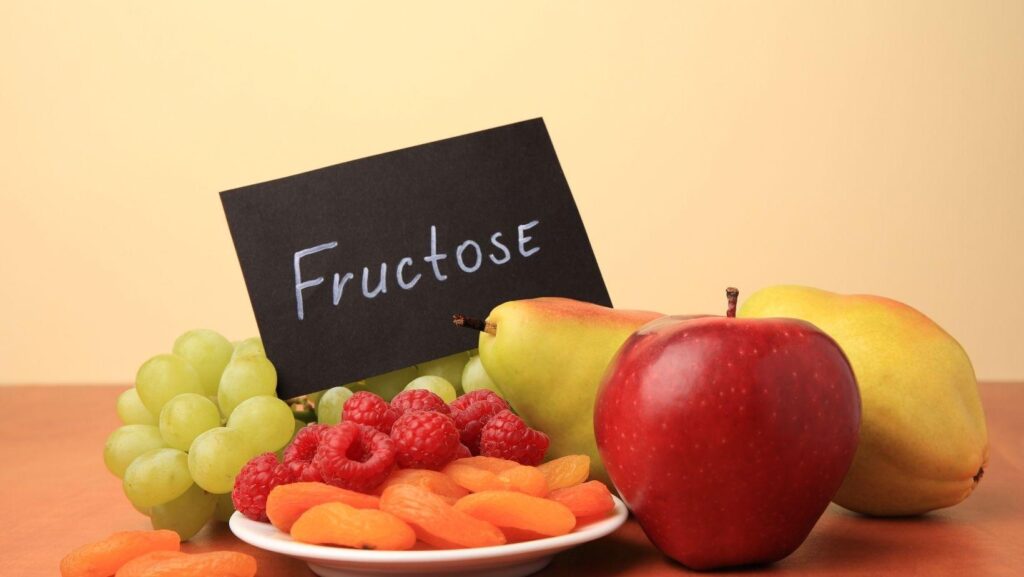
Fruit is supposed to be unambiguously good for you. It is whole, it is natural, it is full of vitamins, polyphenols, and fiber that the body genuinely needs. And yet for a meaningful number of people, eating fruit reliably produces bloating, cramping, loose stools, or that particular brand of abdominal discomfort that makes you regret the snack you were sure was healthy. When fruit becomes a problem, the instinct is often to eliminate it broadly and move on. But that instinct, while understandable, bypasses a distinction that actually matters quite a bit for long-term gut health: the difference between true fructose malabsorption and simply eating more high-FODMAP fruit than your gut can handle at once.
These two things can look identical from the outside. The symptoms overlap, the foods that trigger them overlap, and the short-term fix, eating less fruit, works for both. But the underlying mechanisms are different, the long-term management strategies diverge, and the implications for how much fruit you can realistically reintroduce into your diet are significant. Getting clear on which one is actually happening is worth the effort.
Fructose Malabsorption: What It Actually Means
Fructose is a monosaccharide, a simple sugar found in fruit, honey, agave, and high-fructose corn syrup. Under normal circumstances, fructose is absorbed in the small intestine through specific transport proteins, primarily GLUT5. When the capacity of these transporters is exceeded, or when they are underexpressing for genetic or acquired reasons, fructose passes through to the large intestine unabsorbed.
Once there, gut bacteria ferment it. The result is gas production, osmotic water draw, and the full range of IBS-type symptoms. This is fructose malabsorption, and it is a genuine physiological condition that affects an estimated 30 to 40 percent of people in the Western world to some degree, though not all of them experience symptoms severe enough to notice.
True fructose malabsorption is specifically about the ratio of fructose to glucose in a given food. Glucose actually assists fructose absorption by activating a secondary transport mechanism. This is why foods with equal fructose and glucose content, like white sugar or most berries, tend to be better tolerated than foods where fructose significantly exceeds glucose, like apples, mangoes, and watermelon. The excess fructose, with no glucose to escort it through the intestinal wall, is left to make its way to the colon.
Over-FODMAP-ing: A Different Problem with Similar Symptoms
The low-FODMAP framework categorizes foods by the total load of fermentable carbohydrates they contain, of which excess fructose is only one category. Fruits also contain polyols like sorbitol and mannitol, and some contain fructans. These compounds each have their own absorption limitations and their own fermentation consequences.
When someone eats a large fruit salad containing watermelon, apple, and a handful of dried mango, they are not just dealing with fructose. They are hitting multiple FODMAP categories simultaneously, and the cumulative load can push well past the gut's tolerance threshold even in someone without specific fructose malabsorption. This is over-FODMAP-ing: the total fermentable carbohydrate burden exceeds what the small intestine can process, regardless of which specific compound is responsible.
This distinction changes the management picture considerably. Someone who is over-FODMAP-ing with fruit does not necessarily need to eliminate fructose-containing foods broadly. They may simply need to address portion sizes, fruit combinations, and timing. Someone with true fructose malabsorption needs to specifically prioritize low-excess-fructose fruits regardless of portion, because even small amounts of high-excess-fructose foods can trigger symptoms.
It is also worth noting that a quality enzyme powder formulated to target specific FODMAP compounds can play a meaningfully different role in each scenario. For over-FODMAP-ing, broad-spectrum enzymatic support taken with meals can help degrade the cumulative carbohydrate load before it reaches the large intestine. For fructose malabsorption specifically, the enzymatic picture is more nuanced and less straightforward, something worth understanding before assuming enzymes will solve the problem entirely.
Fruit Types: Which Ones Are Actually the Problem
Not all fruit behaves the same way in the gut, and lumping it together as a category is one of the most common mistakes in self-managed dietary adjustment. The fruits most likely to cause symptoms in sensitive individuals are those with high excess fructose, high polyol content, or both.
Apples and pears are among the most reliably problematic. Both contain excess fructose and sorbitol, which creates a double trigger that affects a wide range of people. Watermelon is high in fructose and fructans. Mango is high in excess fructose. Cherries contain both sorbitol and excess fructose. Dried fruits of almost any kind concentrate their FODMAP content dramatically as water is removed, making even small quantities capable of triggering symptoms.
On the more tolerable end sit fruits where glucose and fructose are roughly balanced, and polyol content is low. Bananas that are not fully ripe contain less fermentable sugar overall and are generally well-tolerated in moderate portions. Blueberries, strawberries, and raspberries tend to be among the safest choices for people managing both fructose malabsorption and broader FODMAP sensitivities. Oranges and kiwifruit are also relatively well-tolerated, with kiwifruit carrying the additional benefit of containing actinidin, a natural enzyme that supports protein digestion.
Grapes sit in an interesting middle ground. They contain roughly equal fructose and glucose, which makes them less likely to trigger fructose malabsorption specifically, but eating a large bunch in one sitting still contributes meaningfully to overall fermentable load.
Timing and Portioning: The Variables That Change Everything
One of the most underappreciated aspects of fruit tolerance is that the same food can produce entirely different responses depending on when and how much of it is consumed. The gut's capacity to absorb fructose is not unlimited even in people without malabsorption. When fructose arrives in large quantities, quickly, the transport system becomes saturated and excess fructose escapes into the colon regardless of baseline absorptive capacity.
Eating fruit on an empty stomach, particularly in blended or juiced form, delivers a concentrated fructose load very rapidly. This is why a morning smoothie containing two or three types of fruit can cause symptoms even when individual portions of each fruit would have been fine eaten separately as whole foods throughout the day.
Spacing fruit intake across the day rather than concentrating it in a single meal or snack gives absorptive transporters time to recover between loads. Eating fruit as part of a mixed meal, alongside protein, fat, and low-FODMAP vegetables, slows gastric emptying and reduces the speed at which fructose hits the small intestine, which improves the odds of complete absorption before the large intestine gets involved.
Portion discipline also matters more than most people want to hear. A low-FODMAP serving of canned peaches in juice is 90 grams. A medium apple is already over the threshold. These are not arbitrary numbers. They reflect the fructose concentrations at which most sensitive individuals begin to experience symptoms, and they serve as useful starting points even for people who have not formally identified FODMAP sensitivity as their issue.
Where Enzymes Help, and Where They Do Not
Digestive enzyme support is a genuinely useful tool in this space, but it works better for some fruit-related triggers than others, and understanding the difference prevents disappointment.
For FODMAP compounds like fructans and GOS, targeted enzyme products have clear mechanisms of action. Fructan hydrolase, for instance, breaks fructan chains into their component sugars in the small intestine before they reach the large intestine and become fermentation fuel. This is well-supported by the science and by the clinical rationale behind enzyme-based FODMAP management.
For excess fructose specifically, the enzymatic picture is more complicated. There is no widely available consumer enzyme that directly converts excess fructose into a more absorbable form at the small intestinal level in the way that lactase converts lactose. Glucose, consumed alongside high-fructose foods, can assist absorption by activating the GLUT2 transporter as a secondary pathway, which is why some practitioners suggest pairing high-fructose foods with glucose-containing foods rather than consuming them alone. But this is a dietary pairing strategy, not an enzymatic intervention.
Where enzymes do help with fruit-related symptoms is in the broader context of cumulative FODMAP load. If someone is experiencing symptoms not because of fructose malabsorption specifically but because their fruit intake is pushing their total fermentable carbohydrate burden over threshold, a broad-spectrum enzyme product taken with that meal can meaningfully reduce the overall load that reaches the colon. This will not resolve true fructose malabsorption but can make the difference between tolerating a mixed fruit dish and not, particularly in social or travel contexts where controlling every ingredient is not realistic.
Listening to the Pattern, Not Just the Food
The most useful diagnostic tool available without a clinical test is careful observation of patterns over time. True fructose malabsorption tends to be consistent: the same foods trigger symptoms reliably, regardless of overall meal composition or how much other food was eaten that day. Over-FODMAP-ing tends to be more variable: symptoms appear when the total fermentable load is high and may not appear when overall intake is more moderate, even if some of the same foods are present.
Keeping a food and symptom journal for two to four weeks, noting not just what was eaten but how much, in what combination, and at what time of day, often reveals patterns that identify which mechanism is at play. This information is also invaluable for a dietitian or gastroenterologist trying to guide a more targeted management plan.
Fruit does not have to be the enemy. For people committed to eating in a way that supports whole-body health, finding a sustainable path back to a diverse fruit intake, through better portioning, smarter timing, strategic enzyme support, and accurate identification of specific triggers, is a more satisfying and nutritionally complete outcome than simply removing an entire food category and hoping for the best.