
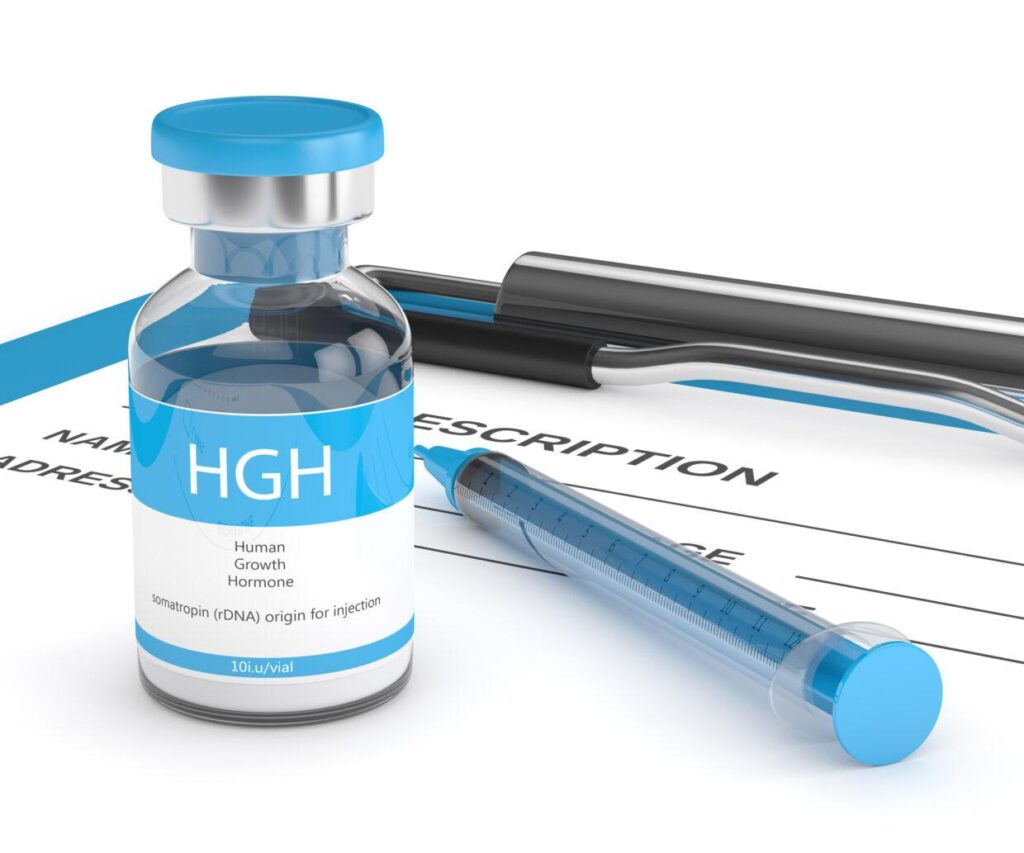
An hgh peptide shop may come up during the search for answers when the obvious fixes have already been tried and the body still feels slow to repair. Better meals, steadier workouts, earlier nights, more protein – yet recovery can still feel uneven. At that point, someone may start connecting Human growth hormone with training, aging, body composition, and energy. That curiosity is fair. HGH is involved in real repair processes. The problem begins when curiosity turns into a decision made without lab work, medical context, or a clear reason.
Why HGH Peptide Enters Recovery Talk
HGH peptide products usually appear in the conversation after progress starts feeling uneven. A person can still be active, still train hard, and still eat better than before, yet soreness may hang around too long. Strength may stop moving. Sleep may be long enough by the clock but poor in quality. Weight may shift in a way that does not match the effort being put in. Human growth hormone gets attention here because it is tied to tissue repair, bone health, metabolism, and how the body responds after physical stress.
That does not mean HGH peptide support is the missing answer. Recovery problems often come from less exciting places. Low calories can make training feel harsher. Poor sleep depth can weaken repair. The problem with too many strong workouts is that they irritate the body. Stress influences appetite, quality of sleep, and hormone rhythms. Hormonal imbalances, iron deficiency, insulin resistance, inflammatory reactions, and medications may lead to such results. Those issues should be checked first. Hormone-related support makes more sense after the ordinary causes have been taken seriously.
What Human Growth Hormone Does in Adults
Human growth hormone is made by the pituitary gland and released in pulses rather than at one steady level. Sleep is closely tied to that release pattern. This is why several nights of broken rest can show up later as slower recovery, weaker training, and lower energy. The body may still function, but it may not repair as well as expected.
In adults, Human growth hormone is often discussed around lean tissue, connective tissue, bones, and fat metabolism. Peptides add another layer because some are associated with growth hormone pathways. That sounds clean when written in a product description, but real use is messier. Product quality can vary. Storage can matter. Labeling can be incomplete. Health history can change the risk. A product name does not prove that it suits a person’s body.
This is where people often make the wrong comparison. HGH peptide products should not be treated like protein powder, creatine, or electrolytes. Those belong to a different risk category. Hormone-related products can affect fluid balance, glucose control, joints, sleep, and nerve symptoms. That calls for a more careful process than reading a few comments and guessing.
Is HGH Peptide Safe for Active Adults
Safety depends on the situation. A person under medical supervision, with bloodwork and a clear reason for treatment, is not in the same position as someone copying advice from a forum. Health history changes the answer too. All of these include diabetes, heart problems, thyroid problems, cancer in the past, hormone problems, inexplicable tiredness, and even strange swelling.
Before considering HGH peptide support, these checks should come first:
- Review medical history with a qualified professional.
- Use bloodwork instead of guessing from age, soreness, weight, or gym progress.
- Check sleep, food intake, training load, and stress before blaming Human growth hormone.
- Look closely at product source, labeling, handling, and storage.
- Avoid copying dosage from friends, coaches, forums, or social posts.
- Watch for swelling, numbness, tingling, headaches, joint pain, or blood sugar changes.
The least exciting answer is often the most useful one. If calories are too low, the body has less material for repair. If sleep is broken, recovery will suffer. If training has no rest built into it, soreness can become normal. If fatigue feels strange or keeps coming back, testing is smarter than guessing. HGH peptide support cannot fix a weak recovery base. It may even distract from the actual cause.
Why HGH Steroid Searches Mislead
However, the expression “hgh steroid” comes up quite frequently despite the fact that the two belong to separate classes. For example, HGH is not an anabolic steroid, while peptides fall into yet another category. The above-mentioned expressions occur together within the same context as they relate to muscles, recovery, aesthetics, and aging in one way or another.
This is important because ambiguity in language leads to poor decision-making. HGH treatment, peptides, steroids for bodybuilding, and research substances may have different applications, legalities, risks, and regulation when used for medical purposes. It creates an unsafe environment by lumping these categories together.
A better start is exact wording. What substance is being considered? Why is it being considered? Is there a diagnosed deficiency or another medical reason? Has a clinician reviewed lab markers? Is the product meant for human use? Is the source reliable? Without those answers, the search term does too much work, and the person making the decision does too little checking.
How HGH Peptide Fits Holistic Fitness
A holistic fitness plan does not reject medical tools. It keeps them in proportion. Factors such as sleep quality, nutrition, protein, workout volume, stress, hydration, flexibility, inflammation, and general well-being play key roles in the recovery process. HGH only affects one aspect of this complex system.
CandyGym Fitness can help readers see how HGH peptide products are grouped as a category. That can be useful when someone is comparing names, formats, and general product types. Still, a product page cannot answer the personal safety question. It cannot read lab results, review symptoms, or decide whether hormone-related support fits a person’s health profile.
For wellness-focused readers, the order should stay practical. Look at sleep. Review training volume. Check whether food intake supports the work being done. Notice repeated fatigue, longer soreness, or unusual changes in weight and energy. Then consider whether medical testing belongs in the picture. HGH peptide support belongs after that review, not at the beginning of it.
Smarter Recovery Before Using HGH Peptide
HGH peptide use does not need fear, but casual confidence is risky. Human growth hormone matters because it is connected with repair and metabolic processes. That is exactly why careless use can cause problems. Anything that affects real body systems should be treated with patience, not impatience.
The safer path is slower, but cleaner. Build a recovery base. Fix sleep where possible. Eat enough to support training. Reduce overload when the body is sending clear signals. Check health markers when symptoms keep returning. Keep product claims in perspective.In some cases, HGH peptide might be a topic for a medically monitored discussion. But in many instances, the better option would be to focus on laying a strong foundation before seeking quick gains.