
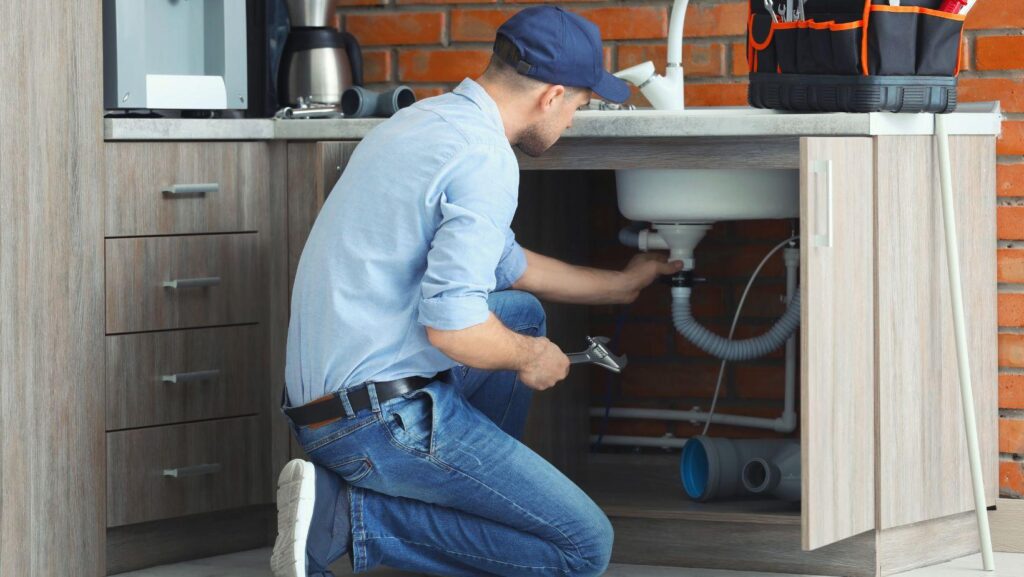
As a homeowner, distinguishing between when you need an emergency Plumber and a regular Plumber can be crucial. Plumbing issues can range from minor inconveniences to major disasters, and knowing who to call can save both time and money. This article will explore the key differences between emergency and regular Plumbers, identify situations that require immediate attention, and provide guidance on cost considerations. Understanding these aspects will help you make informed decisions for your home and family.
Emergency Plumber vs Regular Plumber: Key Differences Explained
The primary difference between an emergency Plumber and a regular Plumber lies in their availability and response time. Emergency Plumbers are accessible 24/7, offering immediate assistance for urgent issues that cannot wait, such as severe leaks or flooding. They are equipped to handle critical situations promptly to minimize damage to your home. In contrast, a regular Plumber typically works during standard business hours and is well-suited for less urgent, planned maintenance tasks.
One key aspect to consider is the level of expertise required. Emergency Plumbers are trained to handle high-pressure situations, often requiring quick decisions and actions to prevent extensive damage. Regular Plumbers, on the other hand, focus on routine maintenance and installations, such as installing a smart thermostat integration or ensuring compliance with child safety compliance standards during new installations.
Moreover, the tools and technology used by emergency Plumbers may differ. For instance, they might rely on home automation protocols to quickly diagnose and address complex issues, whereas regular Plumbers might focus more on standard plumbing tasks.
Situations That Require an Emergency Plumber
Identifying when to call an emergency Plumber can be critical in preventing significant damage. Common situations include burst pipes, severe leaks, or water heater failures. These issues can quickly escalate, leading to water damage that affects your home’s structural integrity and indoor air quality assessment. An emergency Plumber is equipped to handle these emergencies swiftly, minimizing potential damage.
Consider calling an emergency Plumber if you notice water leaks that compromise eco-friendly insulation materials, which can lead to mold and affect the energy efficiency rating (EER) of your home. Additionally, situations where plumbing issues pose a safety hazard, such as a gas leak, require immediate professional intervention.
In scenarios involving significant water damage, emergency Plumbers can also assist in coordinating with other professionals, such as performing a lead-based paint inspection if the flooding affects older parts of the home.
When to Call a Regular Plumber for Routine Issues
Regular Plumbers are ideal for handling non-urgent tasks and scheduled maintenance. This includes routine inspections, minor repairs, and installations, such as setting up a radon mitigation system or performing an HVAC load calculation for optimal performance. These services are typically planned and do not require immediate attention.
Routine plumbing services can also involve upgrades to enhance home efficiency, like installing modular furniture systems that incorporate plumbing elements or implementing universal design principles to accommodate aging-in-place modifications. These projects require careful planning and coordination, which a regular Plumber can efficiently manage.
For homeowners looking to improve their home’s overall functionality, regular Plumbers can assist with projects that enhance the living space, such as integrating home security systems audit with plumbing features for added safety and convenience.
Cost Considerations for Emergency vs Regular Plumbing Services
Cost is a significant factor when deciding between an emergency Plumber and a regular Plumber. Emergency services typically incur higher fees due to their 24/7 availability and the urgent nature of the work. For instance, calling an emergency Plumber to fix a burst pipe might cost more than scheduling a regular Plumber for routine maintenance.
However, the cost of delaying necessary emergency repairs can far exceed the immediate expense, especially if the damage affects critical home components like eco-friendly insulation materials or the overall energy efficiency rating (EER) of your home. Therefore, it’s essential to weigh the potential damage costs against the immediate service fees when making your decision.
For routine issues, engaging a regular Plumber can be more cost-effective and allows for better budgeting. For example, integrating smart thermostat integration or planning child safety compliance standards can be scheduled within regular working hours, reducing costs compared to emergency services.
Conclusion
Choosing between an emergency Plumber and a regular Plumber depends on the urgency and nature of the issue at hand. For critical situations, an emergency Plumber is equipped to provide immediate assistance, preventing significant damage. Routine issues, on the other hand, can be effectively managed by a regular Plumber, often at a lower cost. Making informed decisions about your plumbing needs ensures that your home remains safe, efficient, and compliant with necessary standards.