
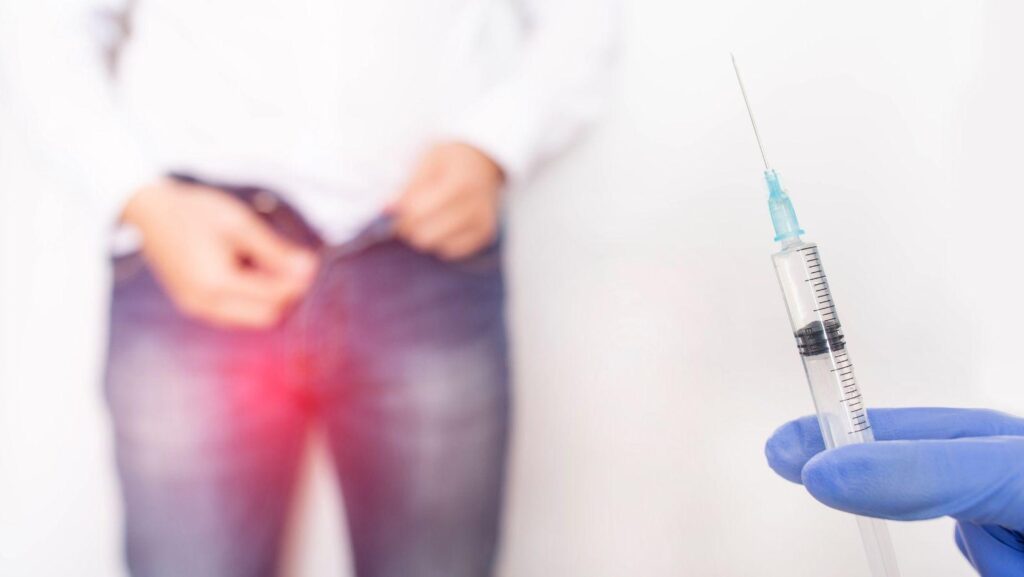
When a couple struggles to conceive, the initial focus historically fell on female fertility. However, medical data shows that male factor infertility plays a role in roughly half of all cases.
Remarkably, the single most common, identifiable, and reversible cause of male infertility is a physical condition that many men have never even heard of: a varicocele. A varicocele is responsible for nearly 40% of primary infertility cases (men trying to father their first child) and up to 80% of secondary infertility cases (men who have fathered a child in the past but are now struggling).
Understanding what a varicocele is, how it silently damages sperm, and how it can be treated is a crucial step for men navigating the fertility journey.
What is a Varicocele?
Put simply, a varicocele is a varicose vein inside the scrotum. Just like the enlarged, twisted veins people get in their legs, a varicocele occurs when the veins that drain blood away from the testicles become abnormally dilated and enlarged.
These veins make up a network called the pampiniform plexus. Healthy veins contain one-way valves that pump blood upward toward the heart against gravity. If these valves weaken or fail, blood begins to pool, causing the veins to stretch and swell.
Varicoceles occur on the left side of the scrotum about 85% to 90% of the time. This is due to the sharp, 90-degree angle at which the left testicular vein inserts into the left renal vein, creating higher mechanical pressure.
How a Varicocele Damages Sperm
A varicocele rarely causes erectile dysfunction or hormonal imbalances that affect libido. Instead, it operates like a silent thermal radiator, subtly damaging sperm production through three primary mechanisms:
1. Overheating
The human body is kept at roughly 37°C, but human testicles are housed outside the core body cavity for a specific reason: sperm production requires an environment that is 1 to 2 degrees cooler than the rest of the body. When blood pools in a varicocele, it acts like a hot water bottle surrounding the testicle, raising the scrotal temperature. This heat spike disrupts the delicate process of spermatogenesis (sperm creation).
2. Oxygen Depletion and Toxin Buildup
Because the pooled blood is stagnant, it is poorly oxygenated. The testicular tissue is deprived of the fresh, nutrient-rich blood flow it needs. Additionally, metabolic waste products from neighbouring organs can back up into the scrotum, exposing developing sperm to toxic compounds.
3. Oxidative Stress and DNA Damage
The combination of heat and poor circulation creates a surge in Reactive Oxygen Species (ROS), leading to cellular oxidative stress. This stress degrades the structural integrity of sperm cells and can crack open the sperm’s genetic payload, leading to high levels of sperm DNA fragmentation. Even if a sperm looks normal on paper, fragmented DNA can drastically reduce fertilisation rates and increase the risk of early miscarriage.
What Does a Varicocele Feel Like?
Many men with varicoceles have absolutely no symptoms and only discover they have one during a fertility evaluation. When symptoms do present themselves, they typically include:
- A “Bag of Worms” Sensation: A moderate-to-severe varicocele can often be felt or seen through the skin of the scrotum, feeling distinctly like a cluster of tangled string or worms.
- A Dull, Aching Pain: A persistent ache or heavy feeling in the scrotum that worsens after prolonged standing, heavy lifting, or physical exertion, and is typically relieved by lying flat on your back.
- Testicular Asymmetry: Because of altered blood flow and tissue stress, the testicle on the side of the varicocele may visibly shrink over time (testicular atrophy).
Impact on Semen Parameters
When a man with a varicocele undergoes a standard semen analysis, the condition typically presents a distinct profile known as a stress pattern. Rather than damaging just one metric, it often impairs all three primary markers:
|
Semen Metric |
Impact of Varicocele |
|
Sperm Count |
Decreased concentration due to heat halting production. |
|
Sperm Motility |
Reduced swimming capability; sperm lack the energy to move effectively. |
|
Sperm Morphology |
Increased percentage of abnormally shaped sperm due to flawed cellular development. |
Diagnosis and Treatment Options
A specialist can easily diagnose a varicocele through a quick, painless physical exam while you are standing. If the varicocele is deep or small, a scrotal ultrasound may be ordered to map blood flow and measure vein diameter.
The positive news is that varicoceles are highly treatable. If a couple is struggling to conceive and a varicocele is identified alongside poor semen parameters, correcting the physical issue often yields significant results.
1. Microsurgical Varicocelectomy
The gold-standard treatment is a minor outpatient surgical procedure performed using a high-powered operating microscope. The surgeon makes a tiny incision near the groin, identifies the dilated, malfunctioning veins, and ties them off. Blood flow is instantly rerouted to healthy, functioning veins.
2. Percutaneous Embolisation
A minimally invasive radiologic procedure where a small catheter is inserted via a vein in the groin or neck. Guided by X-ray imaging, a radiologist deploys small coils or liquid agents to block off the damaged veins.
The Road to Recovery
Because it takes approximately 72 to 90 days for a new cycle of sperm to fully develop, improvements in semen quality won’t show up on a lab report overnight. Most specialists recommend waiting three to six months post-procedure for a follow-up semen analysis.
Studies show that 60% to 80% of men experience significant improvements in sperm count and motility following a varicocele repair, with a substantial percentage of couples going on to achieve a natural pregnancy without needing advanced reproductive interventions like IVF.
If you have been trying to conceive without success, scheduling a physical exam with a urologist or male fertility specialist is a proactive step to rule out this hidden, highly treatable condition.
For more information on male fertility and which supplements make the most sense for your, get in touch with Zita West’s fertility specialists today!