
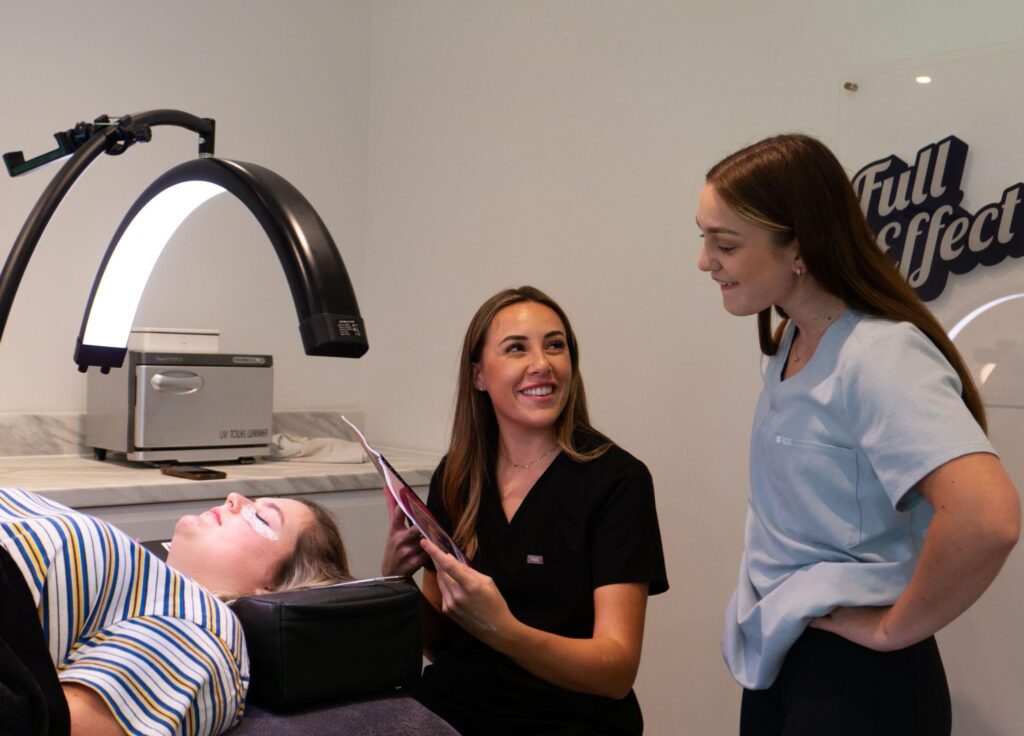
In today’s wellness-focused world, beauty is no longer viewed as something separate from health. More people are recognizing that looking good and feeling good often go hand in hand. As aesthetic treatments continue to gain popularity, patients are becoming increasingly aware of the importance of approaching cosmetic procedures with both physical and mental well-being in mind.
Whether someone is considering injectables, skin rejuvenation treatments, laser procedures, or other cosmetic services, achieving the best results involves more than selecting the right treatment. It starts with understanding the connection between the mind and body and ensuring that health is prioritized throughout the process.
One of the most important steps before receiving any aesthetic treatment is completing a professional medical evaluation. This assessment helps create a safer experience while supporting outcomes that align with a patient’s goals, lifestyle, and overall wellness.
Understanding the Mind-Body Connection
The mind and body are closely connected in ways that affect nearly every aspect of health. Physical wellness can influence emotional well-being, while mental health can impact physical health and recovery.
For example, stress, poor sleep, anxiety, and unhealthy lifestyle habits can affect skin health, healing ability, and overall treatment satisfaction. Likewise, feeling confident and comfortable in one’s appearance can contribute positively to self-esteem and emotional wellness.
This connection explains why many healthcare providers take a comprehensive approach when evaluating patients before aesthetic procedures.
A cosmetic treatment may improve physical appearance, but long-term satisfaction often depends on a person’s overall health and mindset as well.
Why Health Should Guide Aesthetic Decisions
Many aesthetic treatments involve more than surface-level changes. Procedures can affect the skin, circulation, healing process, and overall physical response of the body.
Because every patient is unique, providers need a clear understanding of their health history before recommending treatment options.
Important factors often reviewed include:
- Existing medical conditions
- Prescription medications
- Allergies and sensitivities
- Previous cosmetic procedures
- Skin concerns
- Lifestyle habits
- Personal treatment goals
Gathering this information helps providers make informed recommendations that support both safety and effectiveness.
Rather than focusing only on appearance, health-centered treatment planning creates a more personalized experience.
The Benefits of Taking an Exam Before Treatment
Medical evaluations provide valuable insights that help patients and providers make better decisions.
Some of the most important benefits include:
1. Enhanced Patient Safety
Safety is the foundation of successful aesthetic care. Health assessments help identify factors that may increase the risk of complications or affect treatment outcomes.
By addressing concerns before treatment begins, providers can make adjustments when necessary and reduce potential risks.
2. Personalized Treatment Plans
No two patients have the same medical history or cosmetic goals. Evaluations allow providers to tailor treatments based on individual needs rather than generic recommendations.
Personalized care often leads to:
- More suitable treatment options
- Better communication
- Improved satisfaction
- Greater confidence in the process
3. Better Cosmetic Outcomes
Understanding a patient’s health profile allows providers to select procedures that align with their specific circumstances.
This often results in:
- More predictable results
- Improved treatment effectiveness
- Reduced likelihood of complications
- Better recovery experiences
4. Greater Peace of Mind
Patients frequently feel more comfortable moving forward with treatment after discussing their health history and concerns with a qualified professional.
Knowing that a provider has carefully reviewed their situation can reduce uncertainty and improve confidence.
5. Stronger Long-Term Wellness
A medical evaluation often highlights lifestyle factors that may affect both cosmetic outcomes and overall health.
These conversations can encourage positive habits that benefit patients well beyond the treatment itself.
Lifestyle Habits Matter More Than Many People Realize
Aesthetic treatments do not exist independently from everyday health choices. Lifestyle habits play an important role in both results and recovery.
Some factors commonly discussed during evaluations include:
- Nutrition and hydration
- Sleep quality
- Exercise habits
- Stress management
- Smoking and tobacco use
- Alcohol consumption
- Sun protection practices
For example, a patient who maintains healthy habits may heal more efficiently and enjoy longer-lasting results. Conversely, chronic stress or poor sleep may affect skin quality and recovery.
By understanding these factors, providers can offer guidance that supports a healthier and more successful treatment experience.
Mental Wellness and Treatment Expectations
Mental wellness is another important component of safe cosmetic care.
Many people seek aesthetic treatments to improve confidence or address concerns about their appearance. While cosmetic procedures can contribute positively to self-esteem, they are most beneficial when approached with realistic expectations.
A thorough consultation gives patients an opportunity to discuss:
- Their goals
- Their motivations
- Expected outcomes
- Potential limitations
- Available treatment options
These conversations help ensure that decisions are based on informed choices rather than unrealistic expectations.
Patients who approach treatments with a balanced perspective often report greater satisfaction with their results.
The Role of Professional Screening
As aesthetic medicine continues to evolve, professional screening has become an increasingly important part of responsible patient care.
One example is a Texas GFE, which allows healthcare professionals to evaluate a patient’s medical history before certain aesthetic services are provided. This process helps determine whether a treatment is appropriate while supporting patient safety and informed decision-making.
These evaluations are not simply administrative requirements. They serve as valuable tools that help create individualized treatment plans and reduce unnecessary risks.
Questions Patients Should Ask Before Treatment
Patients can benefit greatly from asking questions during a consultation.
Helpful questions include:
- Am I a suitable candidate for this procedure?
- Are there any health concerns that could affect my results?
- What should I expect during recovery?
- Are there alternatives that may better fit my needs?
- What lifestyle habits can support better outcomes?
- How can I maintain my results long-term?
Being actively involved in the decision-making process helps patients feel more informed and confident.
Why Medical Oversight Supports Better Care
As the aesthetic industry grows, maintaining high standards of patient care becomes increasingly important. Many practices recognize the value of strong medical oversight to help ensure quality treatment planning and patient safety.
For this reason, some clinics choose to hire a medical director who can provide clinical guidance, oversee protocols, and support compliance with healthcare standards. This additional layer of oversight helps reinforce a culture focused on safety, professionalism, and patient-centered care.
Patients often appreciate knowing that experienced medical professionals are involved in guiding treatment decisions.
Final Thoughts
The relationship between physical health, mental wellness, and aesthetic care is stronger than ever. Safe cosmetic treatments begin with understanding the whole person rather than focusing solely on appearance.
Medical evaluations provide a valuable opportunity to assess health history, discuss lifestyle factors, and create personalized treatment plans that support both safety and satisfaction. These assessments help patients make informed choices while giving providers the information needed to recommend appropriate care.
By embracing the mind-body connection and prioritizing health before treatment, individuals can enjoy a more positive aesthetic experience and achieve results that align with their personal wellness goals. In the end, the safest and most rewarding beauty journeys are built on a foundation of health, knowledge, and thoughtful decision-making.