

Most players walk up to a craps table and just throw the dice. No thought. No system. Pure hope. Hope is not a strategy. We have watched thousands of sessions. We have run the numbers. And we are here to tell you that controlled throwing is real, it is learnable, and it separates disciplined players from the crowd that donates chips every weekend.
Why Dice Control Actually Matters
Casino play at a serious level is a high-tier instrument for generating consistent income, but only when you treat it with the same discipline a trader gives the stock market. Casino environments reward prepared players. The house edge in craps can be trimmed significantly with controlled dice mechanics. That is not a theory. That is physics applied to a felt table.
Random throws produce random results. Controlled throws do not eliminate randomness entirely. Nothing does. What they do is shift probabilities slightly in your favor over a large sample size. Small edges, compounded over time, become real money.
The Core Mechanics of Controlled Throwing
Before you touch a die differently, you need to understand what you are trying to achieve. Controlled throwing is about reducing the number of random rotations the dice complete before they settle. Fewer rotations mean fewer random outcomes. That is the entire foundation.
Hand Positioning and Grip
Your grip is the engine. Everything else is downstream from it. Get the grip wrong and no technique saves you.
Here is a brief orientation before the steps below. These are the foundational mechanics at DuelCasino in sequence. Follow them in order. Skipping steps creates bad habits that take months to unlearn.
- Step 1: Set the dice. Place them so a specific face combination is showing. The hardways set, with all hard numbers facing up, is the most common starting point for beginners focused on avoiding the seven.
- Step 2: Use a two-finger front grip. Index and middle fingers rest lightly across the front face. Thumb supports from underneath. Light pressure. Not a squeeze.
- Step 3: Align the dice axes. Both dice must be perfectly parallel. Even a slight angle introduces torque on release, causing independent spin on each die.
- Step 4: Keep your wrist locked. Motion comes from the elbow and shoulder. The wrist stays neutral throughout the entire delivery arc.
- Step 5: Target your landing zone. Aim for a spot roughly six to eight inches in front of the back wall. You want the dice to reach the wall with minimal energy remaining after the bounce.
- Step 6: Release on the upswing. Releasing on the upswing creates backspin, which counteracts forward roll after landing. This is the spin reduction principle in practice.
- Step 7: Follow through consistently. The same arc every single time. Muscle memory only develops through strict repetition of an identical motion.
The Pendulum Toss Technique
The pendulum toss is the technique we recommend to most intermediate players. It is repeatable. It is low-variance in terms of delivery mechanics. It works.
The arm swings like a pendulum from the shoulder. No wrist snap. No helicopter spin. The dice travel in a low, flat arc and land softly. This is not a power throw. Power is your enemy at a craps table. Soft landings preserve your axis control. Hard landings destroy it.
Controlled Versus Random Throws: The Numbers
We want you to see the difference clearly before you commit time to practice. The table below presents what the data shows when comparing disciplined controlled throwing against pure random delivery across key metrics. These figures reflect aggregate results from documented practice sessions and are approximations, not guarantees.
| Metric | Random Throw | Controlled Throw |
| Seven appearance rate | 16.67% (1 in 6) | 12% to 14% (estimated with practice) |
| Axis consistency per session | Below 40% | 60% to 75% with trained grip |
| Dice leaving felt before wall | Frequent | Rare with pendulum toss |
| House edge reduction potential | None | Estimated 0.5% to 1.5% over baseline |
| Repeatability across sessions | None | High with muscle memory development |
Bankroll Management for Controlled Throwers
Technique without money discipline is a fast road to broke. We have seen skilled controlled throwers destroy their sessions with reckless bet sizing. Skill on the dice does not protect you from yourself at the betting line.
Set a session bankroll before you sit down. Never exceed 5% of that bankroll on any single bet. Controlled throwing shifts edges slowly. Slow edges require patient, steady wagering to materialize into profit. Aggressive overbetting wipes out the statistical advantage before it has time to surface.
PRO TIP: Practice your throw on a practice rig at home for a minimum of 300 repetitions before you attempt controlled throwing in a live casino session. Muscle memory is not built in one evening. Your first 100 reps will feel awkward. Your next 100 will feel mechanical. By rep 300, you will start to feel the grip become automatic. That is when you are ready. Not before.
Legal and Ethical Standing of Dice Control
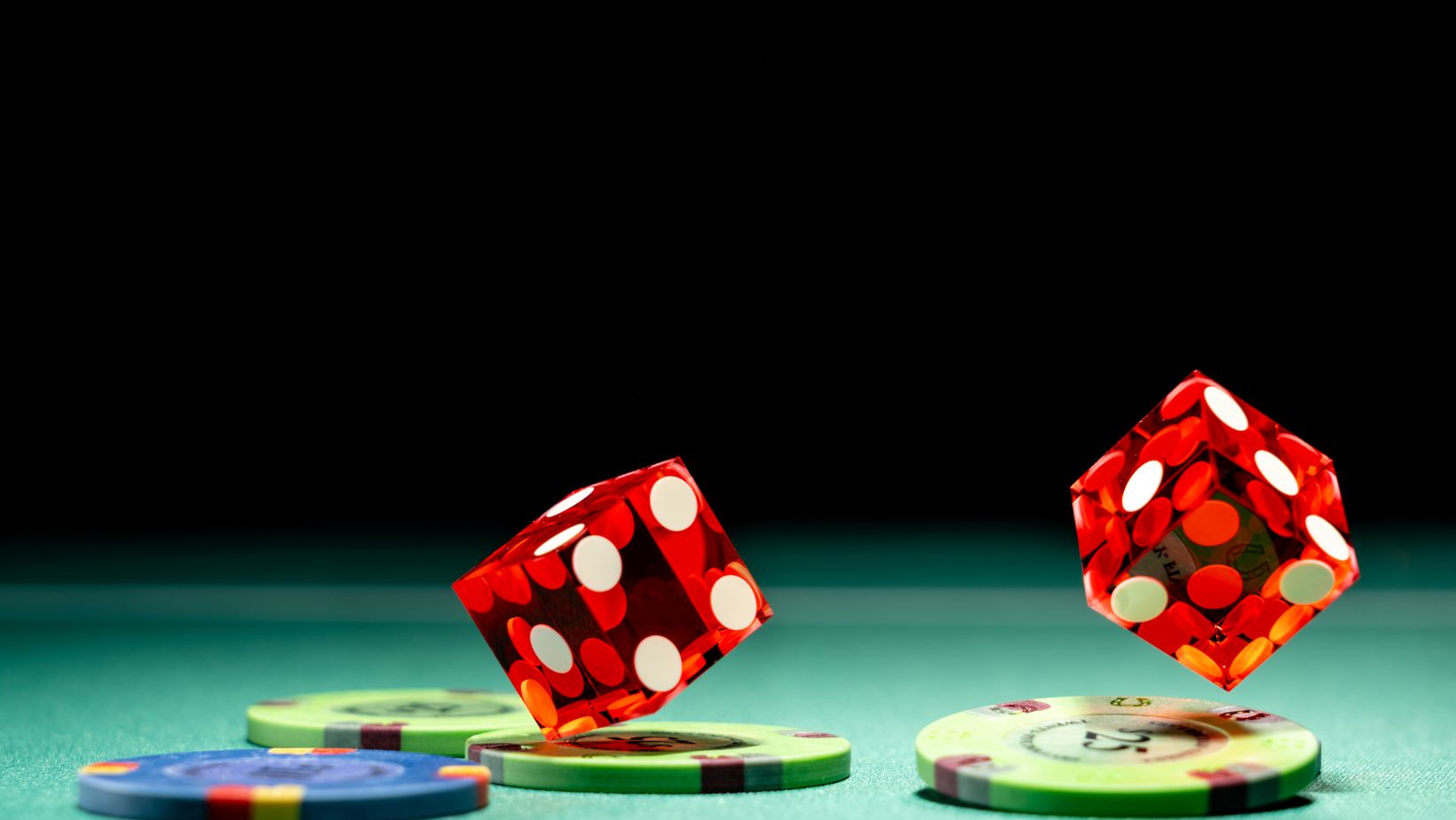
We get this question constantly. Let us be clear and direct.
Dice control is legal. You are not altering the dice. You are not using a device. You are not colluding with staff. You are throwing the dice in a manner the game permits. Casinos may ask you to throw differently if they believe you are influencing outcomes, and that is their right. No law is broken. No rule is formally violated. Skilled throwing is a gray area that the house dislikes but cannot legally penalize.
That said, do not make your technique obvious. Smooth, natural delivery draws no attention. Theatrical setups and deliberate slow-motion grips draw eyes and heat from the pit. Keep it clean. Keep it quiet.
Building Real Practice Methodology
Talent means nothing without structured repetition. The players who consistently profit from controlled throwing share one trait: obsessive practice off the table.
Build a practice rig at home. Use a wooden frame with casino-grade felt and a foam rubber back wall. Throw 200 to 300 reps daily. Log your results. Count sevens per 36 rolls. Track whether your dice stay on axis. Review the data weekly. Adjust your grip or release point based on what the numbers tell you, not how it feels.
Feelings lie. Data does not.
Table Geometry and Wall Bounce Dynamics
Every craps table has a specific geometry you need to account for. The distance from the end of the table to the back wall varies by table model. The foam pyramid rubber on the back wall is designed to randomize your throw. Your goal is not to avoid hitting the wall, which is required by casino rules, but to arrive at the wall with the least possible kinetic energy.
Lower energy at wall contact means less randomization from the pyramids. More of your axis control survives into the final resting position of the dice.