
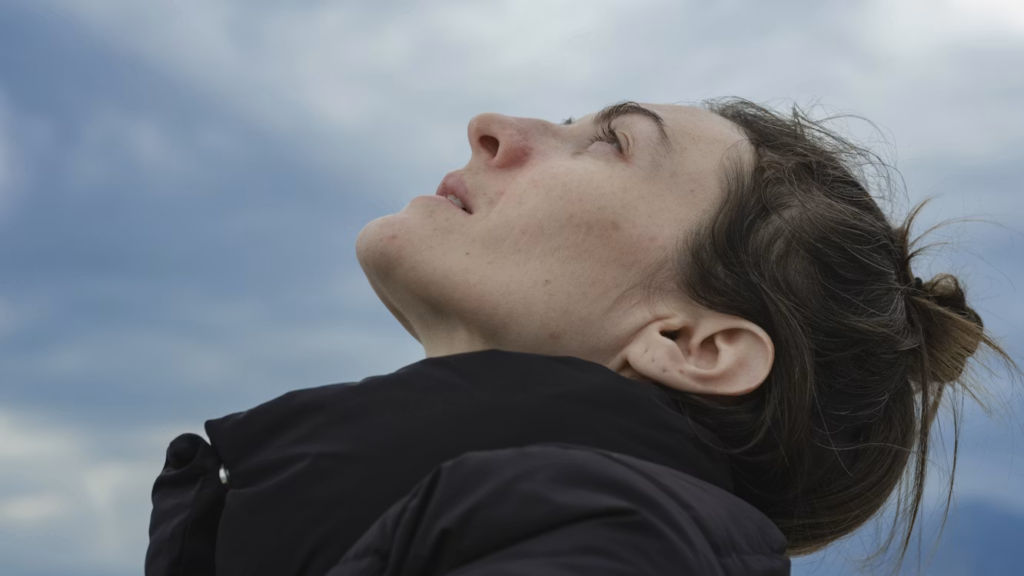
Ever feel like your body is stuck in overdrive?
That on feeling you can’t shake isn’t all in your head. Your body’s literally being kept in fight-or-flight mode by your nervous system. And there are stats that prove it… 49% of Americans reported experiencing significant daily stress, which is one of the highest percentages among high-income countries worldwide.
Here’s the good news:
Your body comes with a built-in downshift mode. It’s called the parasympathetic nervous system, and there are simple techniques that turn it on. Here are the ones that work.
Let’s get into it.
What’s inside:
- Why Downshifting Matters
- Small Rituals That Calm The Nervous System
- Breath As A Reset Button
- Physical Practices To Move Stress Out
- Building A Daily Wind-Down Routine
Why Downshifting Matters
Stress is not the enemy. Acute stress is good for you and keeps you alert. Chronic stress that never turns off is the issue.
New research found that around 75% of adults deal with stress frequently. What’s even more troubling is most of these people experience their stress through physical pain and symptoms like headaches, muscle tension, and insomnia.
When the system stays “on” for too long, common signs include:
- Tight shoulders and locked jaw
- Poor sleep and racing thoughts
- Digestive issues and gut discomfort
- Constant fatigue during the day
- A short fuse for pretty much everything
That’s the body waving a red flag. Stress requires an off switch. Downshifting is that switch.
Small Rituals That Calm The Nervous System
Rituals matter more than most people think.
Why? Because repetition is the key to conditioning your brain. When you practice a relaxing activity daily, your nervous system begins to recognize that action as “safe” — and begins to calm down as soon as you start.
This ritual is one relaxing toke at the end of your day for many folks. Cannabis has historically been used as a relaxation tool for centuries. Quartz bangers have become the obvious choice when looking for a clean concentrate experience versus combustion. Quality quartz bangers heat more evenly allowing for a smoother flavor profile. Brands such as MJ Arsenal create pieces that help you take that time to slow down.
The point isn’t getting high — it’s the break. That moment you take to tell yourself “I’m slowing down now.”
But rituals don’t need to involve cannabis at all. Common downshift rituals include:
- Making a warm cup of tea before bed
- Lighting a candle when the day is done
- Journaling three sentences before sleep
- A slow evening walk without your phone
Choose one thing that represents to you, “the day is over.” Repeat this one thing daily. Observe how fast your body unwinds once you start.
Breath As A Reset Button
Want the fastest way to signal the body it’s safe to relax?
Slow your breathing. Particularly slow down your exhales longer than your inhales. This is known as deep and slow breathing, which directly stimulates the vagus nerve — the superhighway of the parasympathetic system.
Here’s how it works:
Slow breathing signals your brain that you’re OK now. Your heart rate decreases. Your muscles relax. Cortisol begins to subside.
Try this simple downshift breath:
- Inhale through the nose for 4 seconds
- Hold for 2 seconds
- Exhale through the mouth for 6–8 seconds
- Repeat for 5 minutes
That’s it. No apps. No equipment. Just breath.
A bonus? One recent breathing study showed that a single session of deep, slow breathing reduced anxiety and enhanced vagal tone in adults. A single session. Sometimes it doesn’t take the body long to respond.
The best part is that you can use it anywhere. Sitting at a desk, in the car, or before bed. It’s the single most underrated stress reliever in existence.
Physical Practices To Move Stress Out
Stress doesn’t just live in the head… It lives in the body.
Tight jaw. Locked hips. Shallow breathing. Clenched fists. That tension needs somewhere to go.
Here are the most effective ways to physically discharge stress:
Slow Movement
Yoga, tai chi, and stretching are effective because they unite breath with movement and awareness. Ten minutes can change the state of your entire nervous system.
A head-to-head relaxation study demonstrated that progressive muscle relaxation, deep breathing, and guided imagery all reliably enhanced markers of relaxation.
Walking
Likely the least sexy stressbuster of them all. A 20-minute stroll (particularly outdoors) lowers cortisol, clears your mind, and releases blocked energy in the body. It doesn’t require any gadgets. Shoes will do.
Cold Exposure
Dumping cold water on yourself briefly at the end of your shower causes a vagal reset. Sounds gross, and well it sort of is, but it is worth it afterwards.
The rule is simple: move the body, and the mind follows.
Building A Daily Wind-Down Routine
Here’s where a lot of people go wrong…
They want to downshift when they are already burnt out. It’s like putting the brakes on after you crashed the car.
Downshifting is most effective when scheduled into your day, every day. Not just as an emergency fallback.
A solid wind-down routine might look like:
- Set an end-of-day “shift” time: Choose an hour every evening when you stop working. No emails. No screens projecting work documents.
- Move for 10 minutes: A short walk, stretch, or yoga flow.
- Breath session: Slow breathing for 5 minutes to activate the vagus nerve.
- Do the ritual: Tea, candle, journal — whatever anchors the evening.
- Same bedtime every night: The body loves routine more than novelty.
You don’t have to take every step each day. Even one or two will have profound impact over time. Remember, showing up matters most, not being perfect.
Landing The Plane
Downshifting the body isn’t complicated. It’s just… consistent.
The nervous system doesn’t require special equipment or hours of spare time. It requires input. Simple, daily, repeated input that communicates safety. That you can relax.
To quickly recap:
- Chronic stress is the real problem, not the occasional spike
- Rituals train the nervous system to expect calm
- Slow breathing is the fastest reset button available
- Physical practices move stress out of the body
- A daily wind-down routine keeps everything on track
Stressed people don’t relax easily. Calm people don’t necessarily have less stressful lives. They just have healthier downshift routines. Here’s the message: don’t over think this. Select one practice from the above and incorporate it into your life this week. Just one. Feel how the body reacts after 5–7 days of regular practice. When that becomes habit, layer another practice on top of it.
Your nervous system will thank you.