
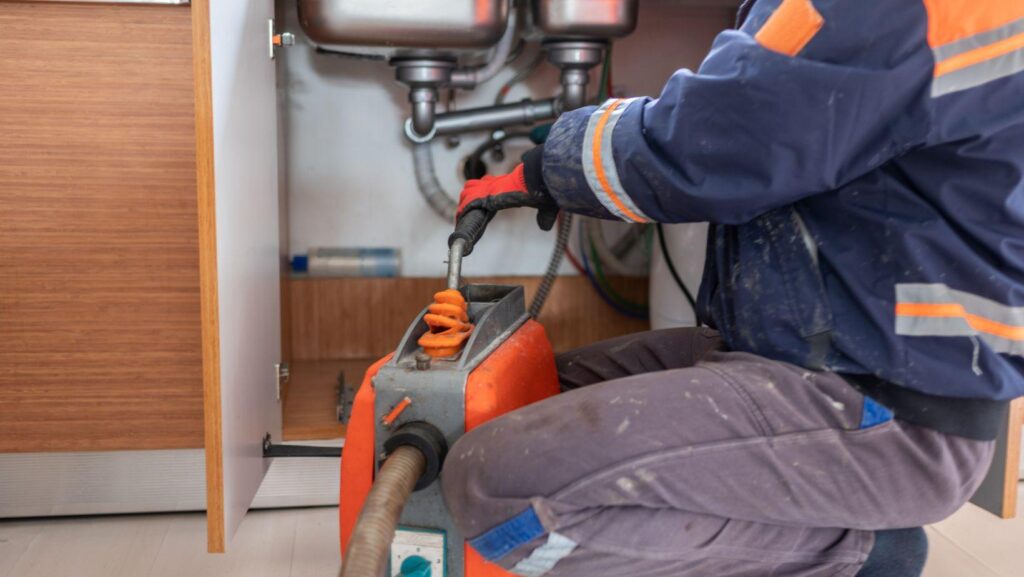
When facing plumbing issues at home, knowing whether to call an emergency Plumber or a standard Plumber can be a crucial decision. Plumbing problems can range from minor leaks to major pipe bursts, each requiring a different level of urgency and expertise. In this article, we’ll explore the distinctions between emergency and standard plumbing services, helping you determine the best option for your situation. Additionally, we’ll delve into specific scenarios that necessitate immediate intervention and discuss the associated costs to ensure you make an informed choice.
Emergency Plumbing Services Explained
Emergency plumbing services are designed to address urgent issues that pose immediate risks to your home’s safety and functionality. For instance, a burst pipe could lead to significant water damage, affecting indoor air quality and potentially requiring an Indoor Air Quality Testing. Unlike standard plumbing services, emergency Plumber services are available 24/7, equipped to handle crises that cannot wait. They prioritize quick response times, ensuring that critical situations are managed swiftly to prevent further damage or health hazards.
Emergency Plumbers are trained to assess and mitigate risks efficiently. This includes performing water quality compliance testing to ensure that any repairs don’t compromise the home’s water safety standards. Moreover, they are familiar with emergency preparedness plans, enabling them to offer advice on preventing future urgent plumbing issues.
Key Differences Between Emergency and Standard Plumbing
The primary difference between emergency and standard plumbing lies in the urgency and availability of services. Standard Plumbers typically operate during regular business hours and handle routine plumbing tasks such as installations, maintenance, and minor repairs. These tasks might include fittings for a smart home integration specialist seeking to upgrade household systems.
Emergency Plumbers, on the other hand, provide immediate assistance for severe plumbing emergencies. They are trained to handle critical situations, often requiring specialized tools and techniques. While standard plumbing services might involve scheduled visits and planned maintenance such as an energy efficiency audit, emergency services focus on rapid intervention.
Another distinction is the skill set required. Emergency Plumbers need to be adept at quick problem-solving and possess a broad knowledge base to address unexpected challenges. This contrasts with standard Plumbers who may focus more on routine tasks and planned interventions.
Situations That Require an Emergency Plumber
Certain situations demand the expertise of an emergency Plumber. For example, a severe leak that threatens to damage your home’s structure or a clogged sewer line that could lead to unsanitary conditions. Such issues require immediate attention to prevent further damage and ensure compliance with home renovation permits.
Another instance might be a malfunctioning water heater, especially during colder months, which can impact a family’s health and comfort. In such cases, calling an emergency Plumber can be crucial to restoring hot water access promptly.
Furthermore, any plumbing issue that risks contaminating the water supply, leading to potential soil contamination analysis, necessitates urgent intervention. Emergency Plumbers are skilled in assessing the severity of these situations and implementing rapid solutions to safeguard your home.
Cost Considerations for Emergency vs Standard Plumbing
Cost is a significant factor when deciding between emergency and standard plumbing services. Emergency plumbing typically incurs higher fees due to the immediate nature of the service and the availability of skilled professionals at any hour. These costs can include extra charges for nighttime or weekend service calls, as well as the premium on expertise required to handle urgent situations.
Standard plumbing services are generally more cost-effective for non-urgent tasks, such as routine inspections or installations, often scheduled in advance. For instance, conducting a childproofing assessment or universal design assessment can be planned and priced accordingly.
When weighing costs, consider the potential long-term savings of addressing urgent issues promptly with emergency services, versus the expense of delayed repairs that may lead to more extensive damage.
Conclusion
Choosing between an emergency Plumber and a standard Plumber depends on the urgency and severity of your plumbing issue. Emergency Plumbers are invaluable for immediate crises, while standard Plumbers are suitable for routine maintenance and repairs. Assessing the situation, understanding the potential risks, and considering the costs involved will guide you in making the right choice for your home’s needs.