
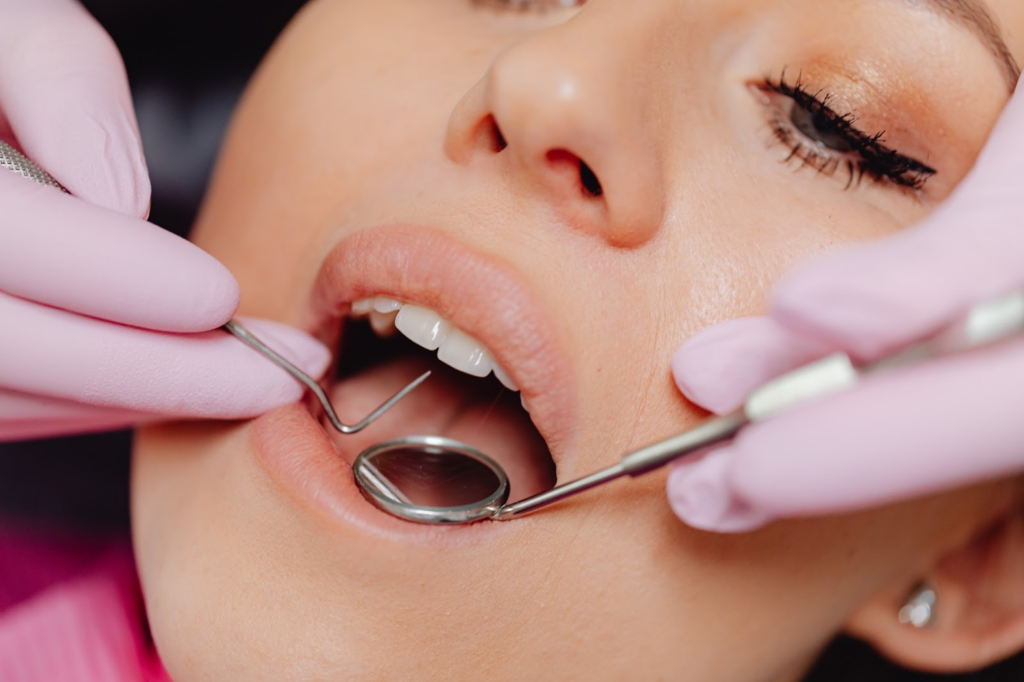
When people think about dental hygiene, they often focus on preventing cavities, keeping their breath fresh or maintaining a bright smile. While these are all important benefits, oral health extends far beyond the teeth and gums.
The mouth is connected to the rest of the body in ways that are sometimes overlooked. Problems that begin in the mouth can affect overall wellbeing, which why good dental hygiene is considered an important part of looking after your general health, not just your smile.
What happens when dental hygiene is neglected?
Our mouths naturally contain bacteria. Most are harmless, but without regular brushing and cleaning between the teeth, bacteria can accumulate and form plaque.
Over time, plaque can irritate the gums and lead to gingivitis, which is the early stage of gum disease. Signs may include redness, swelling and bleeding when brushing.
If left untreated, gum disease can progress further and begin affecting the tissues and bone that support the teeth. At this stage, treatment often becomes more complex.
How are oral health and general health connected?
The mouth is part of the body’s wider health system. When gums become inflamed due to ongoing infection, the body’s immune system responds to that inflammation.
Researchers continue to study the relationship between oral health and various medical conditions. While the exact links are still being explored, there is growing evidence that poor oral health may be associated with broader health concerns in some individuals.
For this reason, many healthcare professionals view oral health as an important component of overall wellbeing rather than a separate issue.
Why is gum health so important?
Healthy gums provide the foundation that supports the teeth. People often focus on their teeth because they are visible, but the condition of the gums can have a significant impact on long-term oral health. Bleeding gums should not be viewed as a normal part of brushing.
In practice, healthy gums are typically firm, pink and comfortable. Regular brushing, flossing or interdental cleaning, along with routine dental appointments, can help identify problems before they become more serious.
How can medical conditions affect oral health?
Some medical conditions can make oral health more challenging to manage. Dental care for patients with medical conditions such as diabetes or heart disease often requires particular attention.
People with diabetes may be more susceptible to gum problems if blood sugar levels are not well controlled, while certain heart conditions may require dentists to consider additional factors when planning treatment. Medications can also influence oral health. Some can cause dry mouth, which may increase the risk of tooth decay and gum issues.
What role do regular dental visits play?
Even people who brush carefully every day can develop areas of plaque or tartar that are difficult to remove at home.
Regular dental examinations and hygiene appointments help identify early signs of problems before symptoms become more noticeable. Professional cleaning can remove hardened deposits, while examinations allow dentists to monitor changes in teeth, gums and soft tissues.
How can you support both oral and overall health?
Brushing twice daily with fluoride toothpaste, cleaning between the teeth, limiting sugary snacks and attending regular dental appointments all contribute to healthier teeth and gums.
While these habits primarily protect oral health, they also support your wider wellbeing by reducing the risk of preventable dental problems and helping to maintain a healthy smile.