
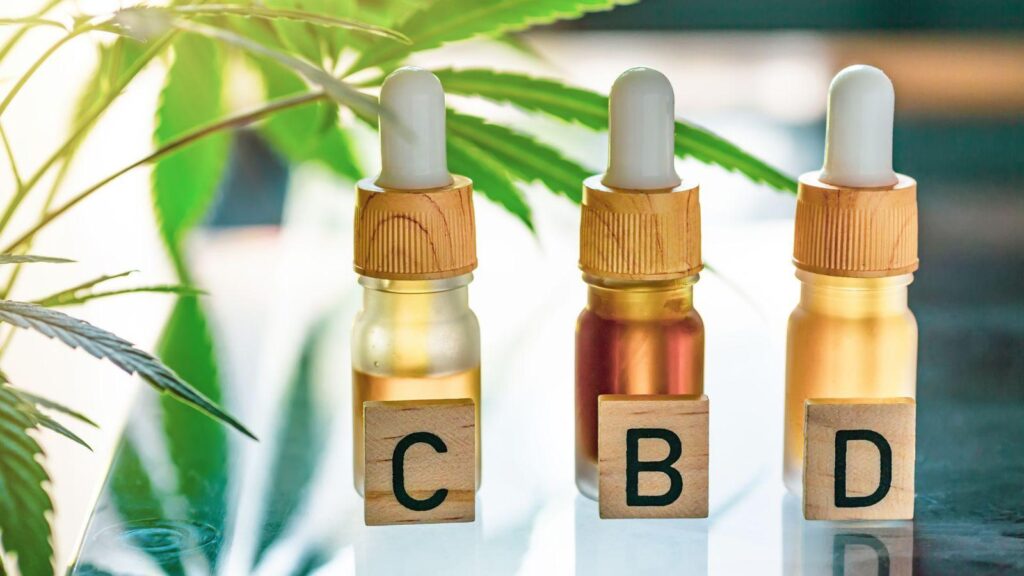
Walk into any pharmacy, health food store, or wellness shop and you’ll find shelves full of CBD products – all promising relief, all looking credible, and most giving you very little to go on.
Knowing what actually separates a quality product from an overpriced bottle of nothing can save you money and, more importantly, make sure what you’re putting in your body is what the label says it is.
Understanding CBD Product Types
There are three main types of CBD products you’ll come across. Full-spectrum CBD contains all naturally occurring compounds from the hemp plant, including trace amounts of THC (less than 0.3%). Broad-spectrum CBD includes multiple cannabinoids and terpenes but has all THC removed. CBD isolate contains only pure CBD with no other plant compounds.
Each type has its own advantages. Full-spectrum products may deliver stronger effects through the “entourage effect,” where compounds work together synergistically. But if you’re concerned about THC content or you’re subject to drug testing, broad-spectrum or isolated products are the safer choice.
Examining Third-Party Lab Testing
Third-party lab testing is the single most important factor when evaluating any CBD product. Reputable manufacturers send their products to independent labs for analysis, and the results – called certificates of analysis (COAs) – should be easy for you to find.
A complete COA should cover:
- Cannabinoid potency (confirming the CBD level matches what’s on the label)
- Pesticide screening
- Heavy metals
- Residual solvents
- Microbials like bacteria and mold
Look for results from within the past year and check that the batch number on your product matches the COA. If a company can’t provide current lab results or makes them hard to find, that’s a serious warning sign.
Evaluating Extraction Methods
CO2 extraction is the industry standard for good reason – it preserves beneficial compounds without leaving harmful residues, using carbon dioxide under controlled temperature and pressure conditions. Ethanol extraction is another solid option that can produce high-quality CBD, though it may strip out some beneficial compounds along the way.
What you want to avoid is products extracted with butane, propane, or other hydrocarbon solvents – these can leave dangerous residues if they aren’t properly purged. Some companies use olive oil or carrier oils for extraction, which is safe but typically produces less concentrated products.
Investigating Source and Cultivation Practices
Quality CBD starts with quality hemp. Products made from hemp grown in the United States are generally more reliable, since US cultivation comes with agricultural standards and testing requirements that aren’t always consistent in imported hemp.
Organic cultivation is a strong quality signal – it means the hemp wasn’t treated with synthetic pesticides, herbicides, or fertilizers that could end up in the final product. Certification isn’t mandatory, but when a brand has it, it tells you something about how seriously they take their process.
It’s also worth knowing that hemp is a bioaccumulator – it absorbs whatever’s in the soil, water, and air around it. That’s actually why it’s used in environmental cleanup projects, but it also means poor growing conditions translate directly into a less pure product. Good companies are upfront about their farming partners and where their hemp comes from.
Reading Labels and Understanding Dosing
Labels should clearly state total CBD content and the amount per serving. Watch out for vague language like “hemp oil” without any mention of CBD content – this often means you’re looking at hemp seed oil, which has different properties and a very different price-to-value ratio.
Check the full ingredient list, especially if you have allergies or dietary restrictions. Quality products tend to keep the ingredient list short and recognizable. For tinctures, look for a high-quality carrier oil like MCT oil or hemp seed oil. For topicals, complementary ingredients like arnica or menthol can add real value for targeted relief.
Start at the lowest recommended dose and work up gradually – clear dosing guidance should be spelled out on the packaging.
Considering Brand Reputation and Transparency
A company that’s been around and has a track record is less likely to cut corners on product quality. Look for brands that are open about their full process – from where they source their hemp to how it’s manufactured.
When reading reviews, specifics matter. Detailed accounts of actual effects and experiences carry more weight than generic five-star praise. Industry publications and third-party review sites tend to give you a more objective picture than retailer pages.
Brands that invest in customer education – detailed FAQs, accessible COAs, knowledgeable support staff – are generally more trustworthy than those that lead with marketing and bury the details.
Understanding Pricing and Value
Extremely cheap CBD products usually mean something was cut – in cultivation, extraction, or testing. The fairest way to compare across brands is to calculate the price per milligram of CBD, which strips away packaging size and lets you compare like for like.
That said, the most expensive product isn’t automatically the best. Focus on value: potency, purity, and company reputation relative to what you’re paying. Products priced well below market average are worth approaching with caution – they may contain lower CBD concentrations than advertised or skip the testing that makes a product safe to use.
Finding Reliable Retailers
Where you buy matters almost as much as what you buy. A retailer that understands what it sells can help you navigate options, answer questions about COAs, and point you toward products that fit your needs. If you’re in Mississippi, visiting a licensed dispensary like Jackson Dispensary is a reliable way to access carefully vetted products with staff who can actually walk you through what you’re buying.
Online retailers can offer wider selections and competitive pricing, but make sure they provide complete product information, accessible lab results, and responsive customer service. Skip gas stations, convenience stores, and any outlet where no one can tell you anything about what’s on the shelf.
Final Considerations
Choosing high-quality CBD takes a bit of research upfront, but it pays off in results and peace of mind. Start with small quantities when trying something new and keep notes on effects and dosing – individual responses vary, so what works well for someone else might not be your ideal fit. The brands worth buying from are the ones that make it easy for you to verify everything they’re claiming.