
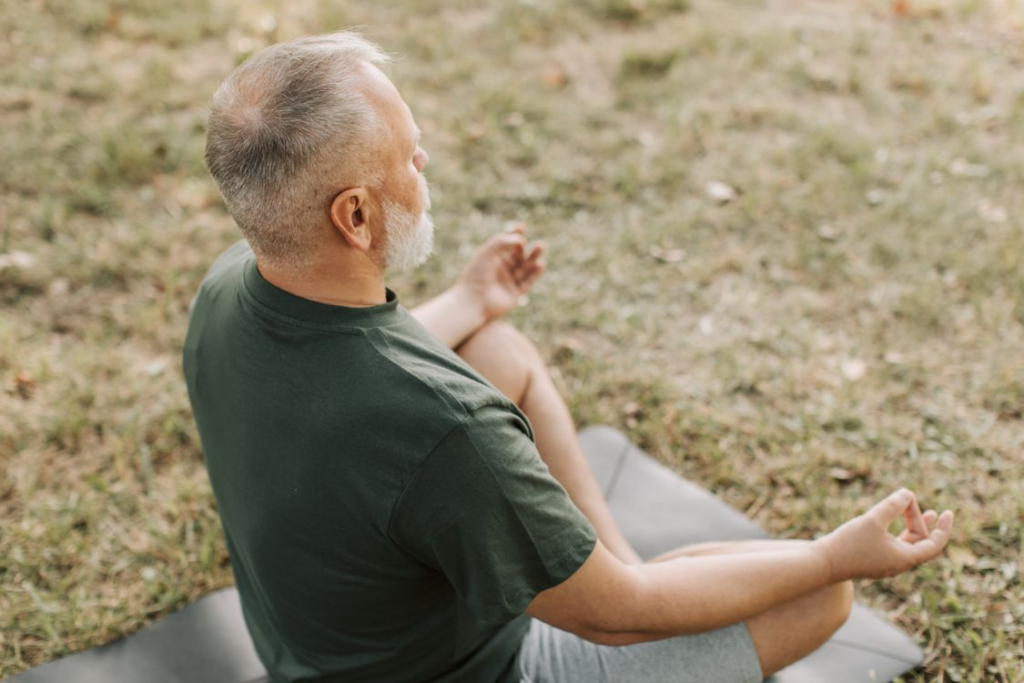
Talk therapy has been the gold standard for mental health treatment for decades.
It helps. It untangles histories, clarifies thinking and rewires self-image.
But here's the problem…
Talk therapy alone can fall short — particularly if someone is living with a mental health condition and substance use disorder simultaneously. Enter body-based practices.
These practices work alongside traditional therapy to:
And the science is starting to back it up in a big way.
Inside this guide:
Why Talk Therapy Alone Falls Short
Dual diagnosis treatment can be difficult. One day the focus is on sobriety. The next day it might be just trying to function with depression. Statistics show just how prevalent this issue is.
21.2 million American adults have a dual diagnosis. Which means they have a mental illness and a substance use disorder.
Talk therapy provides people in therapy with an outlet to think through what they are feeling and experiencing. However, trauma and addiction exist in the body as well. You will experience this through:
Sometimes words can't touch those areas. That's where comprehensive programs like the Men's New Road to Healing Program step in and bridge the gap with treatment that combines talk therapy and body-based healing for a holistic dual diagnosis experience.
When the body is included in the work, recovery goes much deeper.
The Body Holds The Story
Trauma isn't just stored in your memory. It's stored in your muscles, your gut and your nervous system.
This concept was popularised by Dr Bessel van der Kolk in his book "The Body Keeps The Score". The theory is that you cannot reason yourself out of a body that's in fight/flight/freeze response.
For anyone going through dual diagnosis treatment, this is huge.
Drug use numbs the body from what it's experiencing. If that stress stored in the body never gets released, you'll continue to feel cravings and psychological symptoms return – despite how much awareness you gain in therapy.
Body-based practices fix that.
They give the nervous system the safety it needs to actually let go.
Body-Based Practices That Deepen Recovery
There is no one "correct" way to reintegrate the body. These are just 4x of the most effective methods. Everyone responds to different modalities.
Somatic Experiencing
Peter Levine is the founder of Somatic Experiencing Therapy (SE). SE releases stored trauma by allowing the body to complete responses that were interrupted by the traumatic experience through gentle, titrated exposure.
A 2021 scoping review showed SE had a positive impact on PTSD symptoms and general well-being. That is important for dual diagnosis treatment because trauma can be what's fueling both the mental illness AND addiction.
The best part?
SE doesn't require you to repeat your story again and again. It simply asks you to pay attention to what your body is doing THIS moment — and gently work with that.
Trauma-Sensitive Yoga
Yoga is one of the most studied body-based practices in addiction recovery.
In one study conducted by Harvard researchers, yoga halved opioid withdrawal time for individuals in early recovery. Talk about big results for something that is free and has no negative side effects.
Trauma-sensitive yoga isn't like your average fitness class. The instructor speaks in invitational language, allows students choice of poses, and removes any potentially triggering material.
The result? Clients learn to feel safe in their bodies again.
Breathwork
Breathwork is one of the quickest tools for calming the nervous system.
Slow, mindful breathing stimulates the parasympathetic nervous system. You know–the part of you that relaxes and tells you, "it's okay." Imagine what that feels like coming from inside your body while you're in recovery.
Research published in the Journal of Addiction Medicine in 2024 identified breathwork and meditation as beneficial adjunct therapies for substance use disorder. They decrease cortisol levels, promote positive mood, and relieve symptoms of depression and anxiety that frequently accompany addiction.
It's free. It's portable. And anyone can do it.
Mindful Movement & Exercise
Movement throughout the day — walking, hiking, swimming, lifting — becomes a body-based practice when paid attention to.
A 2024 meta-analysis of 11 clinical trials showed aerobic exercise resulted in less anxiety and depression symptoms in individuals recovering from substance use disorders. Exercise also improved cognition and motivation.
The secret is being mindful while doing it. Working out without just bulldozing through, but being aware of how your body feels during the process.
Just 20 minutes walking in nature can help move your nervous system out of stress mode and into rest mode. Make it a daily practice and you'll notice changes in a couple of weeks.
How Body Work Strengthens Recovery Outcomes
Here's the thing about co-occurring disorders that most people miss…
Integrated treatment for both disorders at the same time is received by just 12% of those with co-occurring disorders. Small number huh?
And of the people who receive integrated treatment, even fewer programs offer a combination of talk therapy and body-based work.
A missed opportunity for sure. Because when you work with the mind AND the body, this is what occurs:
Body work does not take the place of talk therapy. Body work is what allows talk therapy to happen.
When you or your loved one enter into recovery, ensure that YOU both are part of the program. Inquire as to whether or not they provide:
Programs that meet all of these criteria have a much greater chance of creating sustainable outcomes.
Bonus: programs that incorporate body-based work also have lower drop-out rates. Clients feel more engaged in the process because they aren't just sitting in a chair talking about stuff, they're actually doing something with their body that they can feel happen.
Bringing It All Together
Talk therapy will always remain at the forefront of mental healing. However, that's not all there is to it.
Incorporating body-based practices addresses the whole self – not just the mind. Your nervous system has a chance to recover. Your trauma can release. And your healing can deepen.
Science is behind you. The tools are already available everywhere. The programs that excel at treating dual diagnosis these days are the ones that combine mind and body work.
The best recovery doesn't happen in your head. It happens in your whole self.